Taking Land Into Trust and the Objections That Follow
Placing land in trust transfers title to the United States and converts the parcel into Indian country. The application is short; the record behind it is not, and the objections come from the county long before they reach a court.
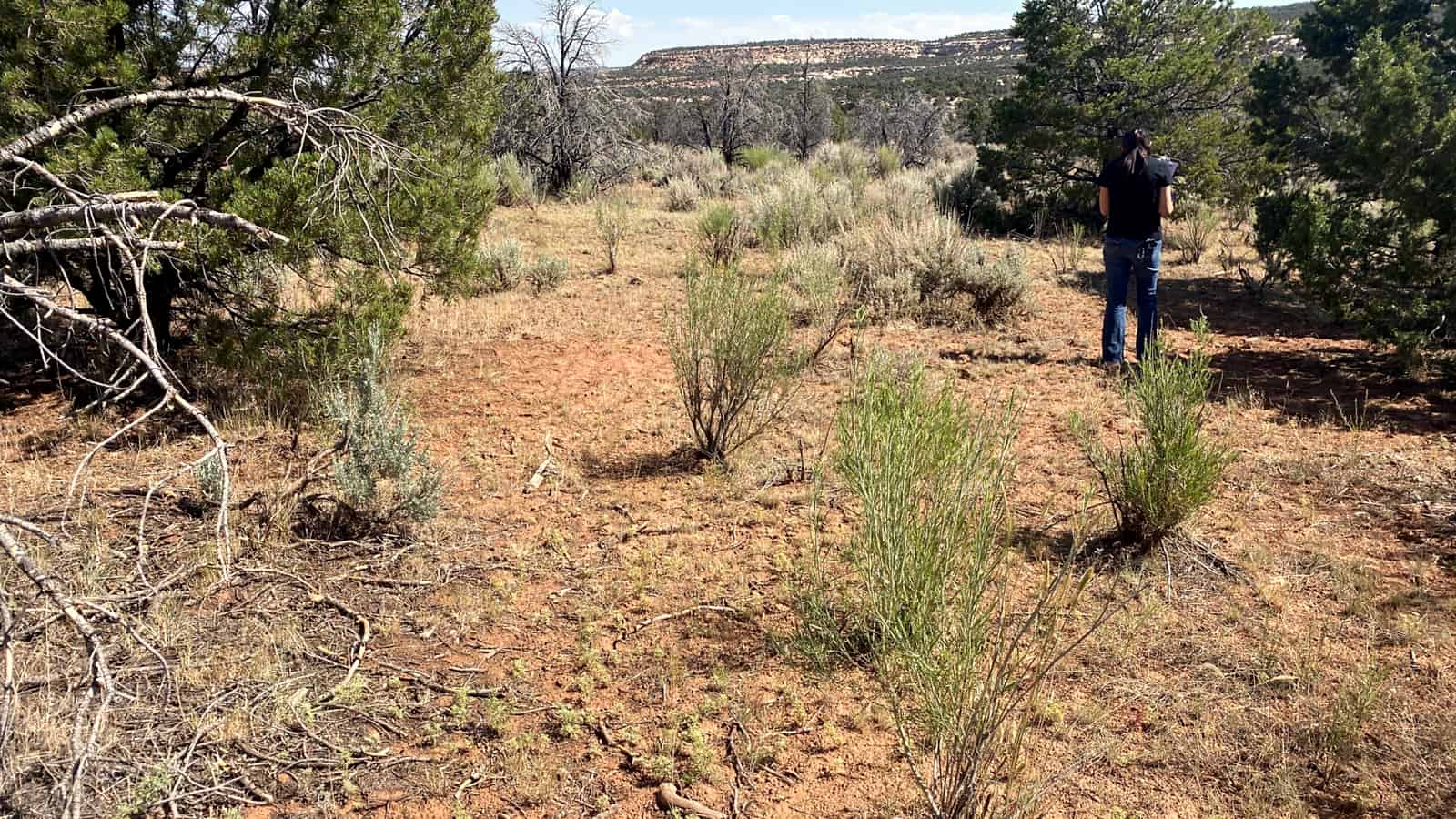
The rule in short
The Secretary of the Interior may acquire land in trust for a tribe or an individual Indian under the Indian Reorganization Act and other statutes, following the land acquisition regulations. The criteria differ for on-reservation and off-reservation parcels, and off-reservation applications draw greater scrutiny as distance from the reservation grows. Local governments receive notice and may comment on tax and jurisdictional effects, and an adverse decision may be appealed.
A fee-to-trust acquisition is one of the few administrative decisions that changes the sovereign under whose law a piece of ground sits. Before it, the parcel is ordinary private property answering to the county assessor, the zoning board and the state courts. After it, the United States holds title, the tribe holds the beneficial interest, and the parcel is Indian country.
Where the power comes from
The general authority is section 5 of the Indian Reorganization Act, which allows the Secretary of the Interior to acquire land within or outside a reservation for the purpose of providing land for Indians, with title taken in the name of the United States in trust. Numerous later statutes supply parallel authority for particular tribes, and settlement acts frequently direct that specified land be taken into trust without discretion.
The general authority carries a limitation the Supreme Court drew out in Carcieri v. Salazar. The Act defines Indian to include members of a tribe now under federal jurisdiction, and the Court read now as referring to the year of enactment, so the Secretary's authority under that section extends to tribes that were under federal jurisdiction when the Act passed. The Department applies a two-part inquiry into whether federal obligations or responsibilities toward the tribe existed at the relevant time and whether that status remained intact, and the question surfaces most sharply for tribes that obtained acknowledgment through the administrative petition process long afterwards.
What the record must contain
The regulations set out the factors the Secretary considers. For an on-reservation acquisition these are the statutory authority, the need of the tribe for additional land, the purposes for which the land will be used, the impact on the state and its political subdivisions resulting from removal of the land from the tax rolls, jurisdictional problems and potential conflicts of land use, whether the Bureau is equipped to discharge the additional responsibilities, and compliance with environmental requirements.
Off-reservation acquisitions add two considerations and change the weighting of the rest. The applicant must provide a business plan where the land is to be used for business purposes, specifying the anticipated economic benefits. And the location of the land relative to the boundaries of the reservation matters directly: as distance increases, the Secretary gives greater scrutiny to the tribe's justification and greater weight to the concerns of state and local governments.
Title review is a separate track that delays as many applications as the discretionary criteria do. The United States will not accept title subject to defects, and the Department requires a preliminary title opinion, resolution of encumbrances, and a determination that the parcel is free of hazardous substances. Easements, mineral severances and access rights each have to be dealt with before a trust patent issues.
The regulations require written notice to the state and to the local governments having regulatory jurisdiction over the land, with a fixed period to provide written comment on the potential impacts on regular governmental services, tax loss and special assessments. A record that omits the notice, or that fails to respond to the comments received, is the most reliable ground of appeal a county has.
How an objection is made and heard
Objections arrive first as comments in the administrative record, and the Department's response to them is what a reviewing body examines. A decision by a Regional Director may be appealed to the Interior Board of Indian Appeals under the Department's hearings and appeals rules. The Board reviews for compliance with the regulations and for reasoned consideration of the required factors; it does not reweigh the Secretary's discretion. Where the Assistant Secretary issues the decision rather than a Regional Director, the decision is final for the Department and goes directly to court.
Judicial review proceeds under the Administrative Procedure Act. The Supreme Court held in Match-E-Be-Nash-She-Wish Band of Pottawatomi Indians v. Patchak that the Quiet Title Act's reservation of sovereign immunity does not bar an ordinary administrative challenge to a trust acquisition brought by a neighbor complaining of the land's use, and that such a plaintiff may fall within the zone of interests of the acquisition statute. The Department now publishes decisions and observes a waiting period before taking title, so that a challenge can be filed before the transfer occurs.
| Type of acquisition | Governing criteria | Weight given to local objection | Typical decision maker |
|---|---|---|---|
| Mandatory under a settlement act | The statute's own terms | None; discretion is absent | Regional office implementing the statute |
| On-reservation, contiguous parcel | Need, purpose, tax loss, jurisdiction, environment | Considered but rarely decisive | Regional Director |
| Within the reservation, non-contiguous | Same criteria, fuller justification | Moderate | Regional Director |
| Off-reservation, non-gaming | Adds business plan and distance analysis | Substantial, increasing with distance | Regional Director or Assistant Secretary |
| Off-reservation for gaming | Adds the gaming statute's exceptions or a two-part determination | Decisive where the governor must concur | Assistant Secretary |
The consequences of trust status
The parcel leaves the tax rolls and enters the federal title records. State and local regulatory authority recedes, subject to the ordinary rules on tribal civil authority over non-members who come onto the land, and criminal jurisdiction shifts to the pattern that governs prosecution in Indian country. Leasing, rights-of-way and mortgages all require federal approval, which is a real constraint on financing and the reason many tribal projects are structured around leasehold interests.
Gaming is the separate question that dominates public attention. Land acquired after the gaming statute's enactment may not be used for gaming unless it falls within an exception — land within or contiguous to a reservation for a tribe that had one, settlement of a land claim, the initial reservation of a newly acknowledged tribe, or restored land for a restored tribe — or unless the Secretary makes a two-part determination that gaming is in the tribe's best interest and not detrimental to the surrounding community, with which the governor of the state must concur. The classification questions that follow are governed by the statute's three classes of gaming.
Points to carry away
- Trust acquisition places title in the United States for the beneficial use of the tribe or individual.
- Land taken into trust becomes Indian country, is removed from the local tax rolls, and cannot be alienated without federal approval.
- The regulations set separate criteria for on-reservation and off-reservation acquisitions.
- State and local governments must be given notice and an opportunity to comment on tax loss and jurisdictional conflict.
- Gaming on land acquired after the enactment of the gaming statute is barred unless a listed exception applies.
- A decision may be appealed to the Interior Board of Indian Appeals before judicial review is available.
Questions readers ask
Does the county lose its tax base permanently?
Property tax on the parcel ends when title passes to the United States, and there is no statutory replacement payment for tribal trust land comparable to the payments made for other federal holdings. Tribes and local governments frequently negotiate intergovernmental agreements addressing services, road maintenance, emergency response and payments in lieu of taxes, and the existence of such an agreement is among the things the Secretary weighs when assessing the impact on local government. Those agreements are voluntary and their terms vary widely.
Can an individual Indian have land taken into trust?
Yes. The regulations provide separate criteria for acquisitions on behalf of individual Indians, which are usually consolidations of existing trust or restricted interests rather than new holdings. The most common context is the reacquisition of interests in an allotment that has become badly divided among heirs, where placing a purchased interest in trust keeps the parcel within the trust system. Acreage limits apply in some circumstances, and the applicant's ability to use the land is part of the record.
How long does an application take?
Longer than the regulation's timelines suggest, and the variation is enormous. A straightforward on-reservation acquisition of a parcel already surrounded by trust land, with clean title and no local objection, can be processed in a matter of months. An off-reservation acquisition attracting county opposition, requiring an environmental impact statement, and raising questions about the tribe's historical connection to the area can take many years and produce a record running to thousands of pages before any decision issues.
Sources
- Cornell Legal Information Institute — 25 U.S.C. 5108, Acquisition of Lands, Water Rights or Surface RightsThe Indian Reorganization Act authority for discretionary trust acquisitions.
- eCFR — 25 CFR Part 151, Land AcquisitionsThe application requirements and the on-reservation and off-reservation criteria.
- Cornell Legal Information Institute — 25 U.S.C. 2719, Gaming on Lands Acquired After EnactmentThe prohibition on gaming on newly acquired land and the exceptions to it.
- eCFR — 25 CFR Part 292, Gaming on Trust Lands Acquired After Enactment of the Gaming StatuteThe regulations implementing the exceptions, including restored lands and initial reservations.
- eCFR — 43 CFR Part 4, Department Hearings and Appeals ProceduresThe Interior Board of Indian Appeals rules governing an appeal from a trust acquisition decision.
- Bureau of Indian Affairs — Fee to TrustThe agency program page for trust acquisitions and the offices that process them.
- eCFR — 25 CFR Part 150, Land Titles and RecordsThe title recording system in which the trust patent is ultimately recorded.
Justice Partners Journal is a publication, not a law firm. This article states general rules and cites its sources; it is not advice about any particular case, and the law differs by state and changes over time.