Dormant Mineral Acts and Reuniting a Severed Estate
A mineral interest carved out of a farm a century ago does not disappear because nobody used it. Common law abandonment requires intent, and intent is nearly impossible to prove against heirs who never knew they owned anything. Statutes were written to solve exactly that.
The rule in short
Dormant mineral statutes extinguish a severed mineral interest that has gone unused for a defined period, vesting it in the surface owner unless a savings event occurred. Savings events typically include production, a recorded conveyance or lease, payment of taxes, or a filed statement of claim. The Supreme Court in Texaco, Inc. v. Short upheld such a statute, holding that the enactment itself supplies the notice due process requires.
Severance is easy and permanent. A landowner sells the farm and keeps the minerals, or sells the minerals and keeps the farm, and from that moment two estates exist where one did. A century later the surface has changed hands six times and the mineral interest sits in the names of people who died two generations ago, scattered among heirs who have never heard of the county it lies in. Nothing in the common law dissolves that arrangement.
Why nonuse alone does nothing
A mineral interest is a corporeal estate in land, and estates in land are not lost by neglect. Abandonment at common law requires both relinquishment of possession and an intention to abandon, and intention is close to unprovable against an owner who is unaware of the interest. Adverse possession is little better: possession of the surface is not possession of the minerals, and only actual extraction over the statutory period will ordinarily do it.
The result was a mounting title problem. Interests fractionated with each generation, ownership became unlocatable, and land could not be leased because no lessee could assemble signatures from owners who could not be found. The burden fell on the surface owner, who often had no idea the severance existed until a title examiner reported it.
What the statutes actually do
Dormant mineral legislation sets a period, commonly twenty years, and provides that a severed mineral interest unused throughout that period lapses and vests in the owner of the surface. The critical machinery is the list of savings events. Any one of them, occurring within the period, restarts the clock and preserves the interest.
The usual list includes actual production of minerals from the tract or from a unit including it, drilling or mining operations, a recorded instrument creating, reserving or transferring the interest, a recorded lease, payment of taxes separately assessed on the mineral interest, and the recording of a statement of claim asserting continued ownership. The last of these is the safety valve. A mineral owner who does nothing else can preserve the interest indefinitely by recording a page of paper on a schedule, at a cost measured in tens of dollars.
Notice and the constitutional objection
The obvious objection is that an owner loses property without ever being told. The Supreme Court rejected it in Texaco, Inc. v. Short, upholding a state dormant mineral act against due process and takings challenges. The reasoning was that the state may fix the conditions on which an interest in land is held, that the statute itself is the notice every citizen is charged with, and that a grace period allowing owners to file before the statute first operated was sufficient.
The holding has not made the statutes uniform. Many states enacted versions requiring the surface owner to serve notice on the mineral holders of record, publish where they cannot be found, and record an affidavit of abandonment, with the mineral owner given a short window to file a claim in response. Those versions trade certainty for procedure: they produce a cleaner record but leave the lapse open to challenge for defective service. At least one state has both an older automatic statute and a newer notice statute on the books, and its courts have had to decide which governs a given severance.
Production from a unitized tract, a lease recorded against a larger acreage, or a probate proceeding in the county where the owner died can all preserve an interest without leaving any mark in the deed records of the tract itself. A search confined to the county where the land lies will report a lapse that did not happen, and the error surfaces only when someone with the missing document appears.
Routes to a clean mineral title
Dormant mineral legislation is one of several devices aimed at the same problem, and they differ in what they require and what they leave behind.
| Route | What triggers it | Who must act | What the result depends on |
|---|---|---|---|
| Dormant mineral act, automatic | The statutory period passing with no savings event | No one; it operates by law | Proving the absence of any savings event |
| Dormant mineral act, notice version | Notice served and an affidavit recorded | The surface owner | Service being valid and unanswered |
| Marketable title act | An unbroken chain from a root of title | Whoever relies on the chain | Whether the statute exempts mineral interests |
| Quiet title action | A suit naming known and unknown claimants | The party seeking title | Adequate service and a judgment of record |
| Purchase of the interest | Agreement with the located owners | Both parties | Finding and buying out every fractional holder |
What reunification changes on the ground
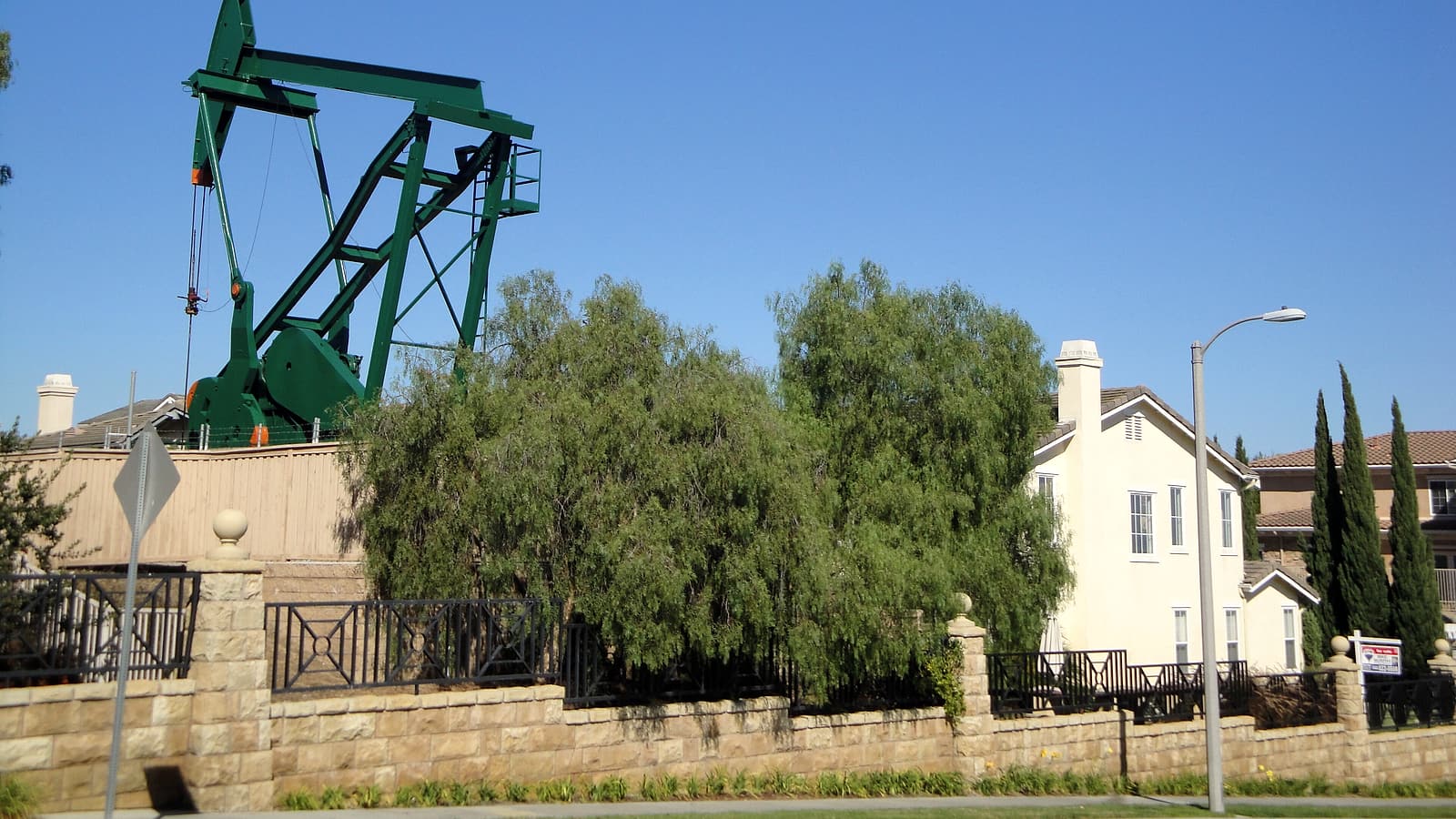
Reuniting the estates does more than tidy the record. A severed mineral estate is generally the dominant estate, entitled to use so much of the surface as is reasonably necessary to reach the minerals, and the surface owner cannot refuse reasonable access. When the interest lapses, that servitude disappears with it, and the landowner regains control of what happens above and below.
The change is felt most sharply where the mineral estate had become an obstacle to something other than mining. A conservation easement, a subdivision approval, a wind lease and a mortgage all founder on an outstanding mineral interest whose holder cannot be found, because each of them requires either the mineral owner's joinder or a formal determination that the interest no longer threatens the surface. Lapse under a dormant mineral act supplies the determination cheaply, which is why these statutes are used far more often by landowners with no interest in minerals at all than by anyone planning to mine.
It also changes the economics. A leaseable, unified tract is worth more than a surface estate burdened by unknown mineral owners, and it can be developed, mortgaged or conserved without a title exception. Where the interest turns out to be federal rather than private, none of this applies and development runs through the federal leasing and location regimes instead, with coal following its own competitive leasing process. The problem of interests fractionating across generations until nobody can act has a close parallel in the fractionation of allotted trust land, where Congress reached for consolidation authority rather than lapse. And whoever ends up holding the minerals still needs a separate water right before anything can be mined.
Points to carry away
- A severed mineral estate is not lost by nonuse at common law, because abandonment requires proof of intent to abandon.
- Dormant mineral statutes supply a fixed period of inactivity after which the interest lapses to the surface owner.
- Savings events preserve the interest, and recording a statement of claim is the cheapest of them.
- The Supreme Court has held that a state may extinguish an unused mineral interest without giving individual notice to the owner.
- Some statutes operate automatically while others require the surface owner to serve notice and record an affidavit of abandonment.
- Marketable title acts reach the same result by a different route, though many of them exempt mineral interests.
Questions readers ask
Who benefits when a mineral interest lapses?
The owner of the surface estate the interest was carved out of, and no one else. The interest is not escheated to the state and does not become open to claim by a third party. Where the surface itself has been divided since the severance, the lapsed mineral interest is generally reunited with each parcel in proportion to the land beneath which it lies, so a single old severance can end up split among many current owners. Statutes differ on the mechanics, and the recorded description controls.
Does a recorded oil and gas lease preserve a mineral interest?
In most states, yes, because a lease is a recorded transaction concerning the interest and appears in the chain. Some statutes go further and treat any recorded instrument referring to the interest as a savings event, which makes the periodic filing of a bare statement of claim a reliable and inexpensive way to keep an interest alive indefinitely. Whether a lease that expired without production still counts is one of the questions courts have divided on, and the answer turns on the statutory language rather than on general principle.
Can a lapse be challenged after the fact?
It can, and title examiners assume it will be. The recurring grounds are that a savings event was overlooked, that the notice a statute required was defective, or that the interest was held by someone the statute exempts, such as a governmental body or a party under a disability. Because a mineral title is often examined only when a lease is offered, a lapse asserted decades earlier may be litigated for the first time when the money appears. Curative work before leasing is cheaper than the argument afterward.
Sources
- Cornell Legal Information Institute — Texaco, Inc. v. ShortUpholds extinguishment of unused mineral interests without individual notice.
- Cornell Legal Information Institute — 30 U.S.C. 1266, Surface Effects of Underground Coal MiningSubsidence control duties owed where mining runs beneath a surface owned by another.
- Cornell Legal Information Institute — 30 U.S.C. 1304, Surface Owner ProtectionFederal treatment of split estates where the surface is privately held.
- Cornell Legal Information Institute — 30 U.S.C. 22, Lands Open to Purchase by CitizensConfirms that location applies to federal minerals, not to severed private interests.
- Cornell Legal Information Institute — 30 U.S.C. 181, Lands Subject to Mineral LeasingThe federal leasing regime that applies where the United States retained the minerals.
- United States Geological Survey — Mineral Resources ProgramFederal data on mineral occurrence used in valuing dormant interests.
Justice Partners Journal is a publication, not a law firm. This article states general rules and cites its sources; it is not advice about any particular case, and the law differs by state and changes over time.